If you are starting a website, business, or online project, you may hear the term dedicated server. But what does it mean, and why would you need one?
In this simple guide, we will explain:
What a dedicated server is
How it works
Differences between shared hosting, VPS, and dedicated servers
Benefits and features
Who should use a dedicated server
Pricing and how to choose the right one
By the end, you’ll understand if a dedicated server is right for you.
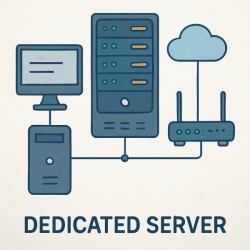
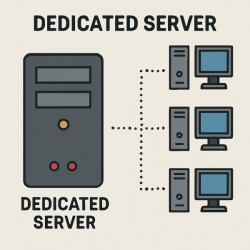
A dedicated server is a physical machine that you rent or own exclusively.
Unlike shared hosting, where many websites share one server, all the resources (CPU, RAM, storage, bandwidth) belong only to you.
Full CPU access
Full RAM
Full storage
High bandwidth
Complete control (root access)
Optional DDoS protection
Essentially, a dedicated server is your own private computer on the internet that runs your website, applications, or services 24/7.
Hosted in a Data Center:
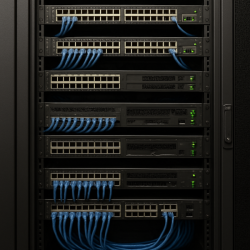
Dedicated servers are located in professional data centers with power backup, cooling, and 24/7 security.
Connected to the Internet:
The server has high-speed internet, often 1Gbps or 10Gbps ports.
Managed or Unmanaged:
Managed: The hosting provider handles setup, updates, and security.
Unmanaged: You handle all software, updates, and server management.
Full Control:
You can install any operating system, applications, or software you need.
Many websites share one server
Limited resources
Cheapest option
Best for small blogs or low-traffic sites
A physical server is divided into virtual servers
Shared resources but isolated
Medium cost
Good for growing websites
One server for your use only
Full performance, no sharing
Higher cost
Best for high traffic, big apps, e-commerce, or business websites
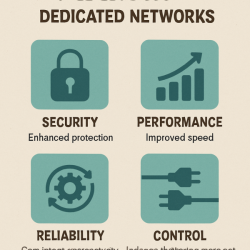
Full resources mean faster website load times
Handle large traffic without slowdowns
Only you can access the server
Better protection against hacking
Optional DDoS protection
Install your choice of OS (Linux, Windows)
Run custom software or apps
Upgrade CPU, RAM, storage easily
Add bandwidth as needed
Enterprise-grade hardware
Professional data centers
99.9% uptime
Dedicated servers are perfect for:
High-traffic websites
E-commerce stores
SaaS platforms
Streaming platforms
Game servers
Developers needing full control
Agencies hosting client sites
Businesses needing strong security
If your site outgrows VPS or shared hosting, dedicated servers are the next step.
Intel Xeon or AMD EPYC processors
16GB to 512GB RAM
SSD or NVMe storage
1Gbps or 10Gbps port
IPv4 & IPv6
Full root access
Optional control panel (cPanel, Plesk)
DDoS protection
RAID storage for data safety
| Server Type | Monthly Price |
|---|---|
| Entry-Level | $59 – $99 |
| Mid-Range | $120 – $180 |
| High-Performance | $200 – $450 |
| 10Gbps / Bare Metal | $300 – $900 |
Price depends on:
CPU
RAM
Storage type
Bandwidth
Location
Managed or unmanaged service
Website traffic
Applications
Storage needs
CPU: Intel Xeon or AMD EPYC
RAM: 16GB+ recommended
Storage: SSD/NVMe for speed
Close to your main users for better speed
Boston, New York, Chicago, Texas are popular US locations
Managed: Less technical effort
Unmanaged: Full control, more responsibility
24/7 support
DDoS protection
Backup options
Faster load times → better Google ranking
Reliable uptime → fewer site crashes
Better security → trust for users
Location-based servers → faster experience for target audience
A dedicated server is a private, high-performance server for businesses, developers, and websites that need speed, control, and security.
It’s perfect if you:
Run a high-traffic website
Need strong security
Want full control over your server
Are growing beyond VPS or shared hosting
Dedicated servers may cost more than VPS or shared hosting, but the performance, reliability, and control make it worth it for serious projects.